Watercolor Animals Birds Butterflies Embroidery Design Review
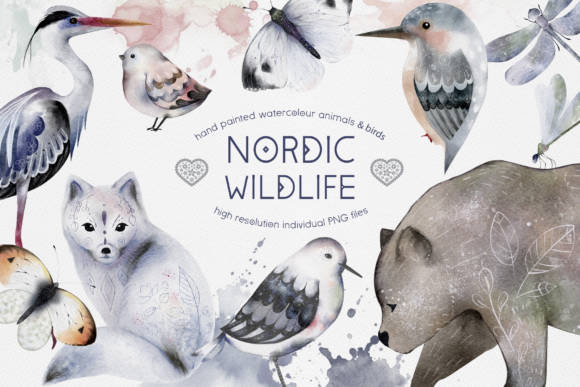
As a designer who regularly works with machine embroidery designs, I always approach new embroidery files with a critical eye. When I first opened the Watercolor Animals Birds Butterflies design, it immediately stood out for its soft, organic aesthetic and attention to detail. This is not just another generic animal illustration—it brings a dreamy, artistic flair that feels like a hand-painted watercolor has been transformed into an embroidery format.
A Mood of Nature and Nostalgia
The overall mood of this design is gentle and whimsical, leaning into a nature-inspired theme that’s perfect for clients looking to add a touch of serenity or playfulness to their handmade projects. The layout features a collection of animals—birds, butterflies, and small creatures—all rendered in a flowing, watercolor style. The shapes are fluid, the lines subtle, and the colors layered with a painterly texture that gives it depth when stitched.
This kind of visual personality naturally fits well within custom apparel, especially items like sweatshirts, tote bags, and pillow covers. It also works beautifully on baby clothes and nursery decor, where a soft and comforting look is often desired. The level of detail is impressive without being overwhelming, which makes it versatile across different project types.
Real-Life Project Use: A Tote Bag Example
Let’s say you’re an Etsy seller or handmade shop owner preparing a line of custom embroidered tote bags. You want something unique but still accessible. The Watercolor Animals Birds Butterflies design could be a great fit. Stitched onto a medium-weight cotton canvas, it retains enough clarity to make each creature recognizable while the watercolor effect adds a sense of artistry.
For a tote bag, you might use a combination of satin stitch and fill stitch to capture the soft gradients and outlines. If the fabric is smooth and stable, the result will be clean and charming. But if you're using a textured or stretchy material, you’ll need to adjust your technique to ensure the design doesn’t lose its shape or become distorted during stitching.
Customers tend to respond well to such designs. They appreciate the personalized gift vibe and the fact that it looks less “mass-produced” and more like a thoughtful handmade item. This can boost your product's perceived value and increase buyer engagement, especially around holidays or special occasions.
Stitching Clarity and Fabric Considerations
One thing I noticed early on is how the stitch density affects the final appearance. In some areas, particularly where the watercolor blends are most pronounced, the stitches can become quite dense. While this contributes to the rich look of the design, it may cause issues on thin or stretchy fabrics unless properly stabilized.
- Fabric Texture: Best suited for woven or quilting cottons. Avoid using on very coarse or stretchy materials without testing.
- Hoop Size: Make sure to confirm the required hoop size before committing to production. Some elements may spread out more than expected during stitching.
- Thread Colors: The color palette is warm and muted, which complements pastel tones and neutral backgrounds. Darker fabrics may require a different thread choice to maintain visibility.
I recommend always testing the design on scrap fabric first. Try a few variations of stabilizer and see how the embroidery file holds up under tension. Also, inspect small details like the wings of the butterflies or the delicate feathers of the birds—these could easily get lost if the stitches aren't properly spaced or if the fabric isn’t suitable.
Where to Use with Care
While Watercolor Animals Birds Butterflies is beautiful, it’s not a one-size-fits-all solution. Here are a few situations where you should proceed carefully:
- Small Hoop Sizes: The design includes larger elements that may not scale down effectively without losing definition.
- Textured Fabrics: On denim, flannel, or other rough textiles, the watercolor effect might not render as smoothly.
- Dark Backgrounds: The softness of the design can fade on darker fabrics. Always test thread contrast and consider white or light-colored threads.
- Curved Surfaces: If you're planning to embroider this onto a cap or curved surface, the layout may need adjustments to prevent distortion.
- Frequent Washing: For products like aprons or kitchen towels, check how the design holds up after multiple washes, especially if using delicate threads.
Design Value and Brand Consistency
When used correctly, this embroidery design can significantly enhance the visual appeal of your handmade product. The watercolor style gives your items a modern yet nostalgic feel, which can help them stand out in competitive markets like Etsy or craft fairs.
From a branding perspective, this design supports a lifestyle-oriented craft business—think eco-friendly, artisanal, or boutique-style shops. It’s ideal for creating a cohesive look across multiple products like holiday gifts, apparel decorations, and nursery accessories.
However, keep in mind that the design’s artistic quality may not align with all brand aesthetics. If your shop leans toward bold geometric patterns or minimalist styles, this might not be the best match. Still, it can serve as a nice complementary element or accent piece, especially when paired with simpler typography or background textures.
Professional Presentation and Customer Trust
Using Watercolor Animals Birds Butterflies in your finished product can elevate your presentation and build customer trust. Clients recognize the effort put into choosing a high-quality, expressive embroidery file over a stock clipart-style design. The watercolor effect adds a layer of sophistication that suggests attention to detail and craftsmanship.
On the flip side, improper execution can lead to a muddled outcome. For example, if the stabilizer isn’t adequate, the fabric might pucker or distort. Or if the thread colors don’t pop against the background, the design could appear washed out. These factors can impact professionalism and product value, so they deserve careful consideration.
Commercial and Digital Use Insights
If you plan to sell this as part of a commercial embroidery project or offer it as a digital product to other makers, there are a few key points to address:
- Licensing: Always double-check the licensing terms before selling finished items or digital downloads. Some illustration-based embroidery files come with restrictions that apply specifically to resale or commercial use.
- Digital Product Previews: Create printable mockups or digital product previews to show potential buyers how the design will look on various items. This helps manage expectations and increases conversion rates.
- Brand Recognition: If you're using this design for small shop merchandise or boutique branding, ensure it aligns with your existing design language. It can either blend in beautifully or stand out too much if not coordinated properly.
As a professional, I also suggest comparing the design in both black and white and full color mockups. This allows you to assess how the design assets translate in monochrome settings, which can be useful for certain fabric types or client preferences.
Final Thoughts from the Designer’s Bench
After several tests and real-world applications, I’ve found that Watercolor Animals Birds Butterflies is a standout machine embroidery design when used thoughtfully. Its charm lies in its ability to bring a natural, artistic touch to everyday items, making them feel more personal and intentional.
Whether you're working on a custom sweatshirt for a client or adding a decorative flourish to a patch for your own handmade product, this design offers a lot of creative potential. Just remember to take the time to understand how it behaves on different surfaces and under various stitching conditions.
Embroidery is as much about technique as it is about creativity. By pairing your skills with a well-crafted design like Watercolor Animals Birds Butterflies, you can create pieces that resonate with customers and reflect your professionalism as a maker or designer.