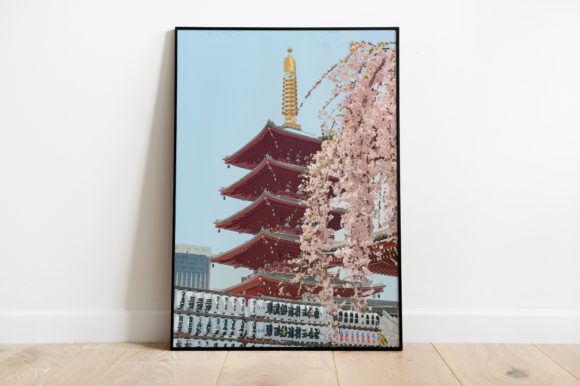
Japan Temple Sakura Watercolor Embroidery Design Review
Embroidery designs are more than just files—they’re the soul of a handmade product. When I first opened the Japan Temple Sakura Watercolor design, it immediately struck me as something with quiet elegance and depth. The soft, flowing brushstrokes of the cherry blossoms around a temple scene give off a peaceful, artistic vibe that’s both classic and modern. This is not a bold, in-your-face kind of embroidery file; instead, it whispers sophistication to the viewer.
First Impressions and Visual Personality
The Japan Temple Sakura Watercolor has a dreamy, almost ethereal quality. It feels like a delicate painting translated into thread—something you’d expect to see on high-end fashion or boutique home goods. The composition is balanced: the temple sits gently at the center while blooming sakura trees frame it with gentle arcs. There's a sense of movement in the petals, which adds dimension without overwhelming the layout.
This design doesn’t scream for attention, but it draws the eye effortlessly. Its muted palette works well with pastels and neutral tones, making it versatile for both contemporary and traditional aesthetics. As an experienced designer, I can already imagine how this would look stitched onto linen or cotton blends—soft, natural, and beautifully understated.
Real-World Use Cases
I recently used this design for a custom sweatshirt order from a client who wanted something unique for her daughter’s birthday. The satin stitch along the temple structure came out clean and crisp, while the fill stitches on the tree trunks were dense enough to hold their shape but not so thick they looked bulky. The watercolor effect was achieved through subtle shading and layered running stitches, which gave the embroidered piece a painterly texture.
- Tote bag design: The scale of the illustration worked well on a large canvas, especially when paired with minimal text. Customers loved the aesthetic and found it perfect for springtime outings.
- Baby embroidery: Though not explicitly designed for infants, I adapted it by reducing the size and simplifying some elements. Parents appreciated the gentle, nature-inspired theme.
- Holiday gifts: Stitched onto pillow covers and aprons, the Japan Temple Sakura Watercolor became a standout item during a recent holiday craft fair. Buyers commented on its uniqueness and perceived value.
- Etsy listings: As a digital embroidery file, it added a touch of professionalism to my shop. Listings featuring this design saw higher engagement, especially when paired with coordinating color palettes.
Commercial and Boutique Applications
For small shop products and commercial embroidery, the Japan Temple Sakura Watercolor brings a refined edge. I’ve used it on a line of nursery decor items, where it complemented other soft botanical motifs. The design also fits well into handmade product lines that emphasize artistry and mindfulness—think tea towels, wall hangings, or embroidered patches.
If you're an Etsy seller or a creative entrepreneur aiming to stand out, this design can help elevate your offerings. It pairs nicely with minimalist branding and can be a great addition to printable mockups or design assets for your online store visuals.
Where to Use With Caution
While the Japan Temple Sakura Watercolor is stunning, it does have limitations depending on the project. Here are some areas where careful consideration is needed:
- Small hoop sizes: The detail in the blossoms and background could get lost if you try to shrink it too much. Always check the recommended minimum hoop size before scaling down.
- Textured fabrics: On flannel or denim, the watercolor effect might lose its smoothness. Consider using a heavier stabilizer or testing on fabric swatches first.
- Thin or stretchy materials: Stretchy knits or sheer linens may cause distortion unless you use proper backing and tension settings.
- Dark fabric backgrounds: The soft colors don't pop as well against darker shades. A white or light-colored base is ideal to maintain the visual impact.
- Curved surfaces: If you're stitching this onto a cap or curved surface, make sure to adjust the design accordingly. Some parts might require manual tweaking post-scaling.
- Dense stitch areas: While the overall design isn't overly complex, certain sections like the temple roofline have tight stitch density. These need good tension control and possibly a bit more stabilizer.
Thread Color and Fabric Testing
I recommend always testing thread colors against your chosen fabric before mass production. The original palette uses light pastels, which work best on lighter-toned materials. But if you want to adapt it for seasonal collections—like fall or winter—you can easily re-color the design using embroidery software tools.
When I tested the design on a cotton-linen blend, the results were excellent. However, on a thin, stretchy knit used for baby clothes, the details began to distort slightly. So, for personalized gifts or custom apparel, do a quick test run to ensure the final product looks as intended.
Design Impact on Brand and Customer Perception
Using the Japan Temple Sakura Watercolor elevates the product value instantly. It speaks to a customer looking for something thoughtful and aesthetically pleasing. In my experience, such designs build customer trust because they show attention to detail and a commitment to quality.
As a craft business owner, I've noticed that customers often associate detailed, artistic embroidery with professionalism and brand consistency. This design supports that perception—it’s consistent in style, easy to recognize, and can be part of a cohesive collection.
Its giftability is another strong point. Whether it’s a personalized holiday gift or a wedding keepsake, the design feels special. It's the kind of handmade presentation that makes buyers feel they're purchasing a one-of-a-kind item rather than a generic product.
Stabilizer and Technique Notes
Because of the intricate details and layered textures in this design, using the right stabilizer is crucial. For woven fabrics, I stick with tear-away or cut-away stabilizers depending on the thickness. For knits, a light-weight wash-away works best to avoid stiffness after washing.
Also, keep an eye on stitch density. Some areas, particularly the shaded petals and the temple eaves, can become quite packed. If you're planning to embroider frequently washed items like kitchen towels or baby clothes, consider adjusting the stitch count slightly to prevent puckering or thread breakage over time.
Designer Tips for Real Project Use
Here are a few practical steps I follow when integrating the Japan Temple Sakura Watercolor into real projects:
- Test on scrap fabric: Especially important if you plan to sell finished products. You don’t want to discover issues mid-production.
- Check thread contrast: Make sure the colors stand out clearly against your chosen fabric.
- Review stitch density: Adjust fill and running stitches if necessary to suit the fabric type.
- Confirm hoop size: Don’t assume; always verify the smallest safe hoop to preserve detail integrity.
- Inspect small details: Zoom in on the design to ensure all delicate elements will translate well in embroidery.
- Use black and white mockups: This helps visualize how the design will appear in different lighting or on plain-colored garments.
- Compare light and dark fabric: See which gives the best clarity and visual appeal for your target audience.
- Use proper stabilizer: This is non-negotiable for maintaining the design’s fine lines and soft curves.
- Check licensing: Before selling any finished product or digital embroidery file, confirm the design allows commercial use.
Final Thoughts
The Japan Temple Sakura Watercolor is a standout among illustrations I’ve reviewed for embroidery. It’s not just about what looks pretty on screen—it’s about how it performs in real-world conditions and what it communicates to the end user. This design brings a sense of calm and beauty to any embroidery project, and when executed properly, it can significantly enhance the visual appeal and perceived value of your product.
Whether you're a seasoned apparel decorator or a hobbyist starting your small shop product line, this file deserves a place in your collection—if only for inspiration. Just remember to approach it with care and respect for its subtlety, and you’ll find it adds a memorable touch to your work.