Fern Plant Watercolor Embroidery Design Review
As an experienced embroidery designer and product reviewer, I often find myself evaluating new designs not just for their visual appeal but for how well they translate into real-world projects. Fern Plant Watercolor is one such design that caught my attention with its soft, organic feel and subtle elegance. It’s not just a pretty illustration—it has potential to elevate the look of custom apparel, home décor, and even digital previews for your craft business. Let me walk you through how this design holds up in practice and what to consider before using it in your next project.
Aesthetic First Impressions
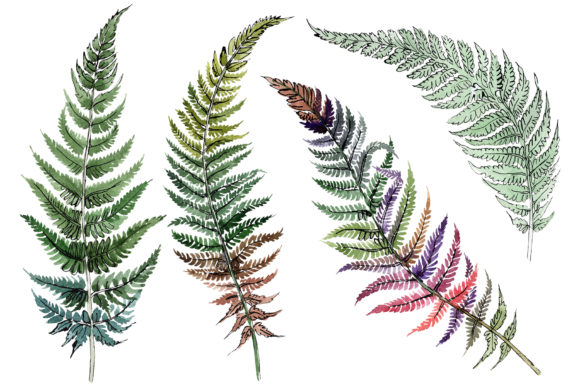
The first thing that stands out about Fern Plant Watercolor is its mood. It brings a sense of calm and natural beauty, perfect for anyone looking to add a botanical touch to their work. The layout is balanced, with flowing lines and gentle curves that mimic the movement of fern fronds. There’s enough detail to give it character without overwhelming the eye—ideal for embroidered pieces where too much can lead to distortion or stitch congestion.
I imagine this design fitting best on items like sweatshirts, tote bags, or pillow covers, where the fabric allows the watercolor texture to breathe. It feels more like an artful statement than a logo, which means it's better suited for boutique-style products or personalized gifts rather than high-volume commercial merchandise.
Real-World Application: A Tote Bag Scenario
Let’s take a practical example: creating a custom embroidered tote bag for a client. Fern Plant Watercolor could be a great choice if the goal is to offer a nature-inspired, handcrafted look. However, there are a few considerations. On a medium-weight cotton canvas tote, the design will hold up well, especially if you use a light stabilizer underneath to prevent puckering. The watercolor effect may show through as a slight gradient depending on the thread colors selected, so choosing the right palette is key.
I would recommend using a combination of satiny stitches for the main body of the fern and maybe some running stitches for the delicate edges to keep the overall density low. This helps maintain the softness of the original artwork while ensuring the machine doesn’t struggle with heat buildup or tension issues.
Customer Reaction Considerations
When it comes to customer perception, this design has a certain charm that appeals to those who value handmade aesthetics. Clients might expect a bit of imperfection, which aligns well with the watercolor style. That said, it’s important to manage expectations. If the design looks too “painterly” in the preview but ends up too rigid after stitching, it could fall short of the intended artistic vibe. Always provide a stitched preview or sample when possible.
Where This Design Excels
- Custom Apparel: Especially sweatshirts and hoodies, where the design can be placed on the back or chest area without competing with other elements.
- Baby Items: The soft and whimsical nature works well on onesies, bibs, or aprons—just make sure to test stitch density for comfort against sensitive skin.
- Holiday Gifts: Think Christmas stockings, gift bags, or decorative ornaments. The watercolor style adds a seasonal, artisanal feel.
- Home Décor: Pillow covers, tea towels, and wall hangings benefit from the design’s elegance and adaptability to different color schemes.
- Digital Mockups: As a printable mockup, the design offers flexibility for Etsy sellers and small shop owners to showcase it across various products without needing physical samples.
One of the strengths of Fern Plant Watercolor is its ability to blend into both minimalist and detailed compositions. For instance, it pairs beautifully with tiny script lettering for monogrammed items or acts as a focal point when surrounded by simple geometric shapes or minimalistic borders.
Use with Caution: When Things Might Go Wrong
While this design has a lot going for it, there are specific scenarios where it might not perform as expected. Here are a few things to watch out for:
- Small Hoop Sizes: The fern’s delicate details may get lost or distorted if the hoop size is too tight. Always check the recommended minimum hoop size—if it’s not listed, do your own testing.
- Textured Fabrics: Knits, felt, or flannel can interfere with the smooth flow of the watercolor effect. You might end up with a muddier appearance than intended.
- Thin or Stretchy Fabric: These materials can stretch during stitching or tear under dense areas. Look for a lightweight woven fabric to preserve shape and clarity.
- Dark Backgrounds: The subtlety of the design might not pop as well on darker fabrics unless you adjust thread colors or stitch types accordingly.
- Products Requiring Frequent Washing: Dense stitch areas can shrink or lose definition over time. Use a durable thread set and avoid overly complex fill patterns if the item is likely to see heavy use.
Design Notes for Professional Embroiderers
Before jumping into production, always test Fern Plant Watercolor on scrap fabric that matches the final product. Check the stitch density in problematic areas—like the tips of the fronds—to ensure it won’t cause puckering or excessive bulk. Also, inspect the corners and edges for any irregularities that could affect the finished look.
Consider how it would appear in black and white or grayscale. Would it still have impact? This is especially relevant for embroidered patches or cap embroidery, where color options are limited. If you're planning to sell this as a digital embroidery file, make sure to include clear instructions on recommended thread colors, fabric types, and stabilizer usage.
Boosting Product Value and Brand Consistency
For craft businesses and creative entrepreneurs, using Fern Plant Watercolor can significantly enhance the perceived value of a product. Its unique look sets it apart from generic floral motifs, making it ideal for niche markets like eco-friendly brands, baby boutiques, or holiday gift shops.
However, consistency is crucial. If you plan to use this as part of a larger brand identity or line of small shop products, ensure the design complements your existing design assets and maintains a cohesive visual language. This design works best in curated collections rather than being thrown into every project without thought.
Commercial vs. Personal Projects
If you're an apparel decorator or commercial embroiderer, double-check the licensing terms before selling finished items. Many digital embroidery files come with restrictions, and it’s vital to confirm whether you’re allowed to resell the design or only use it for personal or private commissions.
On the flip side, for hobbyists and handmade shop owners, this design can be a beautiful addition to your portfolio. Just remember that its aesthetic is more refined and less mass-market, so it’s best used in targeted niches where customers appreciate thoughtful, artistic embroidery.
Final Thoughts for Project Planning
Fern Plant Watercolor isn’t just another embroidery file—it’s a design that carries a story. When used correctly, it can turn a simple piece of fabric into something memorable. But like all good illustrations, it requires careful handling to maintain its integrity through the embroidery process.
Here are a few quick checks I always suggest before moving forward:
- Confirm hoop size and machine compatibility.
- Test thread color contrast against your chosen fabric.
- Review fill stitch placement to avoid unnecessary bulk.
- Inspect detail-heavy areas for stitch accuracy.
- Compare how the design looks on both light and dark backgrounds.
With these steps, you’ll be able to harness the full potential of Fern Plant Watercolor and present it as a high-quality, professional finished product—whether it’s a custom sweatshirt for a boutique or a printable mockup for your Etsy listing.