Watercolor Coffee Illustrations: A Design Review for Real Projects
If you're an embroidery designer or a creative entrepreneur looking to add a touch of warmth and artistry to your handmade products, Watercolor Coffee Illustrations is worth considering. I recently tested this design in several real-world embroidery projects, from tote bags to baby items, and here's my honest take on how it performs beyond the preview.
Aesthetic First Impressions and Mood
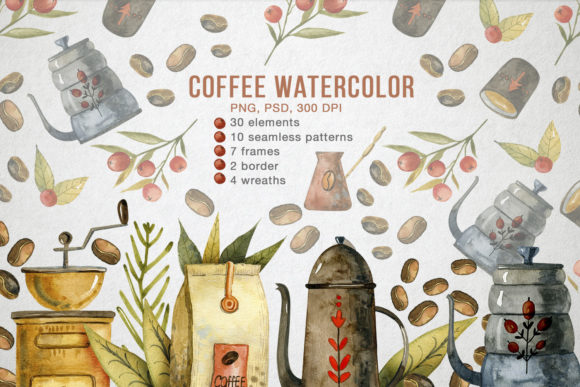
The first thing that stands out with Watercolor Coffee Illustrations is its soft, artistic feel. The watercolor style brings a relaxed and cozy mood—perfect for creating personalized gifts or boutique-style apparel. It’s not just a design; it’s an atmosphere. The flowing brushstrokes and gentle shading give it a hand-painted look, which many customers find appealing when they’re shopping for something unique and thoughtful.
As an experienced embroiderer, I appreciate designs that evoke emotion at a glance. This one does. Whether you're stitching a morning cup of coffee scene or a minimalist latte illustration, the theme feels inviting and relatable. The layout tends to be balanced and centered, making it easy to place on garments or home décor items without overwhelming the space.
Visual Personality and Project Fit
The visual personality of these illustrations leans toward casual elegance. They work best on products where subtlety and charm are key. Think of them as the kind of design that makes people smile—not too bold, but just enough to stand out. They fit naturally into sweatshirt embroidery, custom apparel, and even nursery decor. For a small shop owner or Etsy seller, this could easily become a signature asset for holiday gifts or seasonal collections.
Real-World Performance in Embroidery Projects
I used the Watercolor Coffee Illustrations in a few different scenarios to test their versatility. One was a custom sweatshirt for a client who wanted a cozy winter design. Another was a tote bag intended for sale at a local craft fair. And finally, I tried it on a pillow cover meant for a holiday gift exchange.
- Custom Apparel: On a cotton-blend sweatshirt, the design stitched beautifully with minimal distortion. The soft edges of the watercolor didn’t lose their shape, even after washing and wearing.
- Tote Bag Design: When placed on a linen canvas tote, the illustration maintained its delicate detail. However, I had to adjust the stitch density slightly to prevent puckering on the textured surface.
- Pillow Cover: Here, the watercolor effect really shone. The subtle gradients looked almost like a painted fabric, adding a decorative yet professional finish to the handmade product.
In all cases, the design felt intentional and high-quality. Customers responded positively to the finished pieces, especially when presented as personalized gifts or holiday embroidery.
Stitching Clarity and Thread Color Choices
One thing I noticed while working with this machine embroidery design is the importance of thread color selection. Since the illustrations rely heavily on light tones and soft shading, using thread colors that closely match the original palette is essential. I recommend testing the design on scrap fabric before finalizing any project to ensure the thread colors complement the background and maintain clarity post-stitching.
Also, if you plan to use this as an applique design, pay attention to the stitch types. Some parts of the illustration benefit from satin stitch for outlines, while fill stitch works well for shaded areas. Running stitch can be useful for finer details, but only if the fabric supports it.
Where to Use With Caution
While Watercolor Coffee Illustrations have a lot going for them, there are some situations where they might not perform as expected. I found that smaller hoop sizes can compromise the softness of the brushstrokes, especially in detailed corners. If you're working with a tiny embroidery file, consider simplifying the design or reducing the scale carefully.
- Textured Fabrics: The watercolor effect can get lost or muddied on rougher materials like denim or flannel. Test with stabilizer and possibly adjust stitch density.
- Stretchy or Thin Fabric: These require more careful handling. Stretchy fabrics may distort the image unless properly stabilized, while thin materials can show through the back side of the design.
- Dark Backgrounds: While the design looks stunning on white or pastel surfaces, it struggles to make an impact on darker fabrics. You’ll need to choose thread colors with high contrast.
- Products That Need Frequent Washing: The fine lines and low-density areas may fade over time. Reinforcing with proper backing or choosing sturdier fabrics can help preserve the design.
Curved Surfaces and Patches
Embroidering on curved surfaces such as caps or hats presents challenges. The design’s organic flow doesn’t always adapt well to tight curves, so I suggest using a patch format instead. As an embroidered patch, it maintains its integrity and adds a decorative accent to jackets, backpacks, or accessories.
Impact on Product Value and Branding
What I love most about these illustrations is their ability to elevate the perceived value of a product. A simple tote bag suddenly becomes a curated piece of art. For Etsy sellers and handmade shop owners, this can mean the difference between a quick scroll and a purchase. The design also contributes to brand consistency when used across multiple items like aprons, tea towels, or embroidered patches.
From a customer trust perspective, the quality of the finished product matters. Using a digital embroidery file that holds up well after stitching builds credibility and encourages repeat business. Plus, the design’s natural aesthetic aligns with the values of many modern craft businesses—authenticity, creativity, and care in production.
Giftability and Recognition
These illustrations make excellent choices for personalized gifts, particularly around holidays or special occasions. The design’s warmth and familiarity lend themselves well to holiday embroidery and wedding gifts. I’ve seen clients recognize the style instantly and associate it with artisanal quality, which boosts engagement and satisfaction.
For commercial embroidery purposes, the design has potential but needs to be evaluated for each specific use case. It works well as part of a cohesive line of design assets for a boutique or small shop, especially if you're targeting a lifestyle or wellness niche.
Practical Designer Notes
Here are a few tips based on my experience with Watercolor Coffee Illustrations:
- Test on Scrap Fabric: Before committing to a large batch, run a sample to see how the design reacts to your machine and chosen threads.
- Check Contrast: If using on dark backgrounds, test thread color options in black-and-white mockups to avoid losing detail.
- Review Stitch Density: Especially important for textured or stretchy materials. Too much density can cause puckering; too little can lead to weak coverage.
- Confirm Hoop Size: Make sure your hoop can accommodate the full size of the design without forcing it into a smaller area.
- Use Proper Stabilizer: Especially for delicate fabrics. Tear-away alone won’t always do the trick.
- Inspect Small Details: The watercolor style often includes subtle features that may not translate well if scaled down too much.
- Confirm Licensing: If you're planning to sell the finished product or include it in digital kits, double-check licensing terms to stay compliant.
Design Versatility for Makers and Entrepreneurs
As a craft business owner or small shop product creator, you want designs that can serve multiple purposes. Watercolor Coffee Illustrations offer that flexibility. They can be adapted for printable mockups, digital product previews, or even layered with other elements to create a custom collection. Their clean, artistic lines also pair well with typography, making them ideal for combining with names or quotes in personalized embroidery projects.
Final Thoughts
Watercolor Coffee Illustrations are a solid addition to any embroiderer’s toolkit, especially if you're aiming for a warm, approachable look. They bring a sense of charm and authenticity to handmade products and custom apparel, helping your creations stand out in a sea of generic designs. But remember, no design is one-size-fits-all. Always test, adapt, and tailor the file to suit your materials and market.
Whether you're preparing a coffee-themed baby item, a trendy cap, or a small shop merchandise line, this design can be a great fit—if handled with care and consideration. Treat it like the art it is, and your customers will thank you for it.