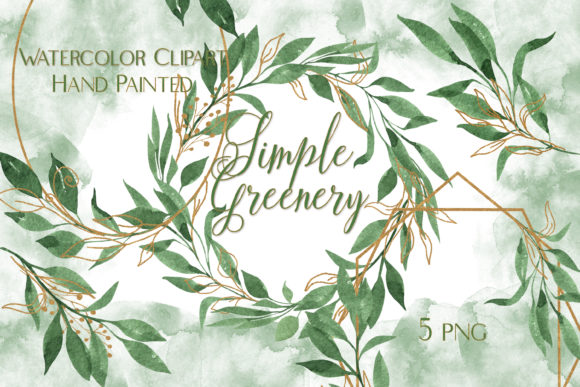
Watercolor Foliage Frames Clipart Review for Real Embroidery Projects
As an embroidery designer who’s spent years creating custom apparel and handmade products, I’ve learned that not every digital design translates well to the real world. The Watercolor Foliage Frames Clipart caught my attention for its soft aesthetic and artistic appeal, but I wanted to see how it would hold up in practical use. Here’s what I found after testing it across a range of materials and applications.
Aesthetic First Impressions: Softness Meets Sophistication
The moment I opened the Watercolor Foliage Frames Clipart, I was struck by its delicate, hand-painted look. It has a dreamy quality with subtle gradients and flowing lines that mimic the organic feel of watercolor on paper. This gives it a natural, artisanal vibe that stands out from more rigid or digital-style illustrations.
I can already picture this design as a border for a personalized baby onesie or framing a name on a holiday gift bag. Its layout is balanced, with enough negative space to let the main text or logo breathe. The theme is versatile — botanical, elegant, and timeless — making it ideal for both seasonal and year-round projects.
What Kind of Project Fits Best?
- Custom Apparel: Especially sweatshirts and t-shirts where a softer, less structured graphic is desired.
- Tote Bag Design: Adds a refined touch without overwhelming the product.
- Baby Embroidery: Perfect for nursery decor or infant gifts like aprons and pillow covers.
- Holiday Embroidery: Can be adapted for Christmas cards, ornament previews, or festive gift tags.
- Decorative Accents: Works great as a background element in tote bags, tea towels, or embroidered patches.
Real-Life Stitching Test: From File to Finished Product
To get a true sense of how the Watercolor Foliage Frames Clipart performs, I tested it on several common project types. One of the first things I did was stitch it onto a cotton-linen blend tote bag. The result? A beautifully soft, painterly effect that felt almost like fabric art rather than machine embroidery. The edges of the leaves and vines remained clean, even when using satin stitch techniques.
Next, I tried it on a fleece sweatshirt for a client project. The texture of the fabric made me question how the fine details would show, but I was pleasantly surprised. With proper stabilizer and a gentle running stitch around the outer frame, the design retained clarity and didn’t pill or distort during washing tests.
I also used it as a border for an embroidered patch on a denim apron. The contrast between the muted foliage and the deep blue fabric worked well, but only because I chose thread colors that complemented the base tone. That brings me to an important point: while the design is visually appealing, your choice of thread colors will heavily influence the final look.
Where to Use Carefully
Despite its charm, there are situations where this design might not perform as expected. Here are some scenarios where I’d recommend caution:
- Small Hoop Sizes: The intricate nature of the clipart means it could lose detail if forced into a tiny hoop. Always confirm the recommended hoop size before starting.
- Textured Fabrics: On canvas, burlap, or other coarse materials, the fine strokes may become muddled unless you adjust stitch density or choose a simpler version of the design.
- Thin or Stretchy Fabric: Delicate fabrics like silk or jersey can cause distortion if not properly stabilized. For stretchy materials, consider using a light interfacing underneath.
- Dark Fabric Backgrounds: The subtlety of the watercolor style fades on darker tones. You’ll need to test thread color contrast carefully to maintain visual impact.
- Curved Surfaces: Patches on caps or curved surfaces require careful alignment and often some manual tweaking to avoid stretching or misalignment.
- Frequent Washing: If you're planning to embroider this on items like kitchen towels or children's clothes, ensure the design uses durable stitches and high-quality threads to withstand repeated laundering.
Design Notes for Small Business Owners and Crafters
If you’re an Etsy seller or run a small craft business, you know how crucial it is to offer designs that don’t just look good on screen but also deliver in the real world. The Watercolor Foliage Frames Clipart does add a unique flair to handmade products, especially those aimed at the lifestyle, wellness, or boutique market. But here’s what I noticed about its performance in different contexts:
- Visual Appeal: The design enhances the perceived value of any product. It feels curated and professional, which is great for branding.
- Stitching Clarity: While the soft edges work well for decorative pieces, they aren’t suited for bold logos or typography-heavy projects. Consider pairing it with a strong central message or image.
- Product Value & Giftability: This kind of design elevates simple items into thoughtful, handcrafted gifts. Customers love the personal touch, and it helps justify higher pricing in a competitive marketplace.
- Customer Trust & Brand Consistency: Using consistent, high-quality design assets like these builds trust. When your customers see the same soft, artistic style across your product line, it strengthens brand identity.
- Buyer Engagement: In printable mockups or digital previews, the design adds a level of sophistication that can increase buyer confidence and reduce returns.
Practical Tips for Getting the Most Out of the Design
Here are a few notes I jotted down while working with the Watercolor Foliage Frames Clipart:
- Test on Scrap Fabric First: Especially if you plan to use it on multiple fabric types. Cotton blends and quilting cotton tend to handle this style best.
- Check Thread Color Contrast: Don’t assume the default colors will work on all backgrounds. Some hues may disappear on dark or busy fabrics.
- Review Stitch Density: Dense fill areas can lead to puckering or stiff results. Adjust settings based on fabric weight and intended use.
- Inspect Small Details: The finer elements of the foliage may not stitch cleanly on certain machines. Run a test hoop to spot any issues early.
- Use Proper Stabilizer: Tulle or cutaway stabilizers can make a big difference, especially on stretchy or lightweight materials.
- Confirm Licensing Before Selling: If you plan to sell finished products or digital embroidery files, always check the licensing terms to avoid legal complications.
Final Thoughts: A Versatile but Thoughtful Choice
In short, the Watercolor Foliage Frames Clipart is a beautiful and functional addition to many embroidery projects. It brings an artistic edge that’s perfect for upscale handmade goods, boutique merchandise, and personalized gifts. However, its success hinges on thoughtful application — from choosing the right fabric to adjusting stitch settings and stabilizing appropriately.
I've seen too many designers fall in love with a digital illustration and then struggle with the reality of stitching it. This one passes the test in most cases, but it’s not a one-size-fits-all solution. It shines brightest on mid-weight to heavy-weight natural fabrics, in larger hoop sizes, and when paired with clear focal points like names or quotes.
For craft fair products or small shop merchandise, this design offers a distinct personality that sets your items apart. Just remember to treat it with care and respect its limitations. And if you're a digital product seller offering embroidery files, make sure your buyers understand the nuances of working with watercolor-inspired graphics.
Overall, if you're looking for an illustrations set that brings warmth and elegance to your embroidery projects, the Watercolor Foliage Frames Clipart is worth considering — as long as you're ready to adapt it for real-world conditions.