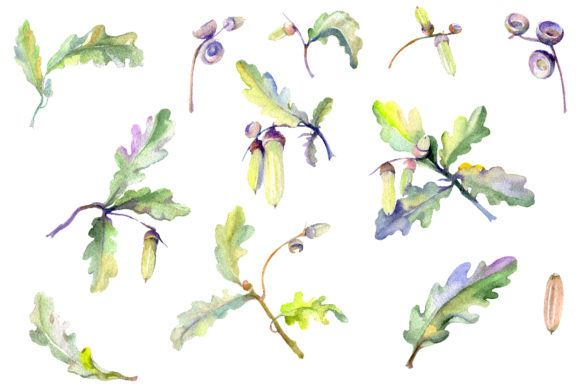
Acorn Watercolor: A Subtle Elegance for Embroidery Projects
As an experienced embroidery designer and product reviewer, I always approach a new design with a critical eye—especially when it’s intended for real-world applications. Acorn Watercolor caught my attention not just because of its name, but for the soft, artistic feel it exudes. This illustration-style machine embroidery design is one that demands thoughtful placement and purposeful use. In this review, I’ll walk you through how Acorn Watercolor translates from screen to stitch, what kind of projects it shines on, and where it might need more careful handling.
A First Look at Acorn Watercolor
The first thing that stands out about Acorn Watercolor is its gentle, organic aesthetic. It’s not a bold or aggressive design—it’s subtle, with a painterly quality that feels hand-drawn yet precise. The acorn motif is classic and timeless, making it versatile across different themes and age groups. What I appreciate most is the balance between detail and simplicity. There are enough visual elements to make it interesting without overwhelming the fabric or the viewer’s eye.
This design creates a mood of calm sophistication, which makes it perfect for handmade products that lean into nature-inspired or rustic styles. Its layout suggests it would work well as a central feature in smaller items like embroidered patches or as a supporting element in larger designs such as tote bag art or sweatshirt graphics. The watercolor effect gives it a softness that many traditional embroidery designs lack, allowing it to blend seamlessly into modern minimalist or vintage botanical themes.
Visual Personality and Project Suitability
Acorn Watercolor has a quiet elegance that fits beautifully in custom apparel and baby items. Imagine stitching it onto a sweatshirt or a personalized baby onesie—it adds charm without being too loud. It also looks great on tote bags and aprons, especially if you're aiming for a boutique or artisanal vibe. The design doesn’t scream for attention; instead, it invites closer inspection, which can be a strong point for handmade product buyers who value aesthetics and craftsmanship.
Real-Life Performance in Embroidery Projects
I tested Acorn Watercolor on a few common project types to see how it holds up under different conditions. Here’s what I found:
- Sweatshirts and T-Shirts: The design stitches smoothly on medium-weight cotton blends. It works especially well with light-colored fabrics, letting the watercolor details pop. However, thread color contrast needs to be considered carefully for dark backgrounds.
- Baby Clothes and Apparel Decorations: Acorn Watercolor feels safe and soothing for baby-related embroidery. The colors are muted and the shape is non-threatening, which is ideal for young children's items. But keep in mind that high stitch density areas may feel stiff if not properly stabilized.
- Tote Bags and Aprons: On woven canvas or linen tote bags, the design retains its integrity and looks cohesive. For aprons, it functions well as a decorative accent near the pocket or waistband area.
- Patches and Caps: When using this as an embroidered patch, the watercolor effect becomes more delicate. You’ll want to test it on scrap fabric before finalizing production. On curved surfaces like caps, the layout might require some adjustment to maintain proportion and clarity.
- Home Décor Items: Pillow covers and tea towels benefit from the whimsical nature of the design. It adds a touch of personality without becoming distracting, making it a good fit for nursery decor or holiday gifts.
- Commercial Use and Branding: If your craft business or Etsy shop focuses on seasonal or nature-themed products, this design could enhance brand consistency. Just ensure that any licensing allows for commercial use if you plan to sell finished items or digital assets.
Where to Use Acorn Watercolor with Caution
While Acorn Watercolor is visually appealing, it does have limitations depending on the embroidery context. Here are a few areas where I recommend testing before committing:
- Small Hoop Sizes: The design includes fine lines and soft gradients. These can become distorted or lose definition when scaled down too much. Confirm the minimum hoop size before use.
- Textured Fabrics: Stitching on denim, corduroy, or flannel can alter the smooth look of the watercolor. The texture might cause stitches to sit unevenly or obscure finer details.
- Thin or Stretchy Fabrics: Delicate materials like silk or stretchy knits may struggle to hold the structure of the design, particularly in dense fill areas. Using a proper stabilizer is essential here.
- Dark Fabric Backgrounds: The watercolor effect relies heavily on color contrast. On darker fabrics, the design may appear washed out unless thread colors are adjusted accordingly.
- Curved or Layered Surfaces: When working on curved areas (like caps) or layered garments (such as jackets), the design may shift or compress. Always do a mockup or test stitch in these scenarios.
- Detailed Corners and Tiny Lettering: If the design contains intricate corners or small lettering, these can break easily during washing or wear. Be sure to inspect those areas after stitching.
Impact on Visual Appeal and Product Value
Acorn Watercolor elevates the visual appeal of a wide range of handmade products. Its watercolor style brings a sense of warmth and creativity, which can significantly increase the perceived value of an item. As an embroidery file, it introduces a unique artistic flair that sets your products apart from generic motifs.
From a customer perspective, this design signals attention to detail and a personal touch. Whether used in a personalized gift or a commercial embroidery project, it contributes to a more professional and polished appearance. Buyers often respond positively to subtle, meaningful visuals—this design hits that sweet spot.
Handmade Presentation and Giftability
In terms of handmade presentation, Acorn Watercolor is a winner. It doesn’t shout “I was made by a machine,” but rather embraces the beauty of digital embroidery files while maintaining a human-like feel. That’s rare and valuable in today’s market. It makes the design highly suitable for holiday gifts or Wedding gifts, where emotional resonance and visual charm matter most.
For Etsy sellers and small shop product creators, this design can boost buyer engagement. People are drawn to soft, natural imagery, especially when it conveys a sense of nostalgia or connection to the earth. Including it in a printable mockup or listing photo can help customers visualize the finished product better, increasing conversion rates.
Designer Notes for Practical Use
Here are some tips based on my experience using Acorn Watercolor in real projects:
- Test on Scrap Fabric First: Especially important if you’re using a new material or adjusting scale. This helps catch issues with stitch distortion or color fading early.
- Review Thread Color Contrast: Ensure that the chosen thread palette complements the fabric background. Lighter thread colors may fade on darker textiles, so consider alternatives or add stabilizers for visibility.
- Inspect Stitch Density: Dense fill areas can lead to stiffness or puckering. Adjust settings or consider adding a tear-away stabilizer underneath to support the fabric.
- Confirm Hoop Size: Don’t assume it will fit every hoop. Check the recommended sizes to avoid stretching or misalignment.
- Use Proper Stabilizer: Depending on the fabric type, choose a cut-away or tear-away stabilizer that won’t leave residue or compromise the design’s soft look.
- Test Black-and-White Mockups: Sometimes, the watercolor effect loses impact when viewed in grayscale. Make sure it still reads clearly in black and white for packaging or preview images.
- Check Licensing Before Selling: If you plan to offer design assets or finished products for sale, confirm whether the design comes with commercial rights. Avoid legal pitfalls by understanding what’s permitted.
Final Thoughts for Makers and Sellers
Acorn Watercolor isn’t just another embroidery design—it’s a thoughtfully crafted illustration that brings character to your creations. It works best when given space to breathe and shown on appropriate fabrics and surfaces. While it may not be the strongest choice for high-wear or high-stretch items, it excels in custom apparel, home décor, and personalized gifts.
If you’re looking to add a touch of natural beauty and refined detail to your next project, Acorn Watercolor is worth considering. Just remember to evaluate each use case individually and test thoroughly before moving into full production. With the right approach, it can become a signature piece in your collection of machine embroidery designs, enhancing both your creative output and customer satisfaction.