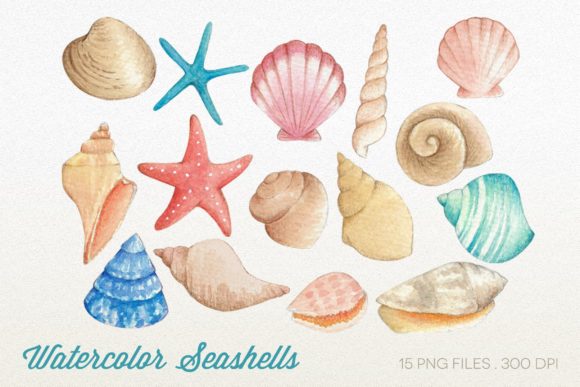
Watercolor Seashells Clipart: A Versatile Illustration for Creative Publishing
As a seasoned blog designer and digital publisher, I often find myself evaluating new graphic design assets with a sharp eye for editorial quality and real-world usability. When I first encountered Watercolor Seashells Clipart, I was immediately drawn to its soft textures and organic charm. This illustration brings a delicate yet professional aesthetic that can elevate the visual storytelling of lifestyle blogs, content marketing campaigns, and even digital product packaging.
The Editorial Mood and Niche Appeal of Watercolor Seashells Clipart
The Watercolor Seashells Clipart exudes a calming, artistic energy—perfect for niches like wellness, home décor, travel, or coastal-themed content. Its gentle color palette and hand-painted style create an editorial mood that’s both inviting and refined. Whether you're designing a featured image for a blog post about summer getaways or crafting a social media graphic for a beachy skincare routine, these illustrations add a layer of authenticity and warmth.
This design asset feels particularly at home in content that leans toward the feminine, the educational, or the seasonal. It's not overly bold or commercial, which makes it ideal for brands aiming to build a softer, more approachable brand identity. At the same time, it doesn’t sacrifice professionalism; instead, it enhances it by suggesting a curated, thoughtful design process.
Real-World Applications in Content Publishing
Watercolor Seashells Clipart is incredibly adaptable within a publishing workflow. Here are several ways I’ve incorporated this type of illustration into my own projects:
- Blog Featured Images: These cliparts work beautifully as background elements in blog headers. They help set the tone without overpowering the headline or call-to-action text.
- Pinterest Graphics: The whimsical nature of seashell illustrations aligns perfectly with Pinterest’s visual-first audience. They make pins stand out while maintaining a clean, cohesive look.
- Newsletter Headers: In email marketing, using a watercolor element like seashells adds a touch of creativity to newsletter banners, especially when promoting seasonal content or lead magnets.
- Lead Magnets & Digital Guides: For downloadable resources such as printable self-care checklists or travel planning worksheets, these illustrations provide a decorative yet functional frame that supports reader engagement.
- Canva Templates: If you're building custom templates for clients or your own content, this clipart integrates seamlessly with modern design tools like Canva, offering a fresh visual twist on otherwise standard layouts.
Supporting Visual Hierarchy and Brand Consistency
One of the key strengths of Watercolor Seashells Clipart lies in its ability to enhance visual hierarchy. As a subtle design element, it can guide the reader’s eye toward important content areas without competing with the message itself. When layered behind headlines or used as corner accents, it reinforces the overall theme and helps maintain a consistent brand identity across multiple platforms.
In editorial layouts, I've found that this type of illustration works best when paired with minimalist fonts and ample white space. The softness of the watercolor effect contrasts nicely with bold typography, making the main message pop. For affiliate marketers and online educators, this balance is crucial—it keeps the focus on the content while still delivering a polished, trustworthy appearance.
Performance-Driven Design Choices
From a performance standpoint, the right design assets can significantly boost click-through rates and user engagement. Watercolor Seashells Clipart contributes to stronger first impressions, especially in niches where natural aesthetics resonate. It also improves category recognition—readers quickly associate the imagery with themes of relaxation, travel, or oceanic inspiration.
Using these illustrations consistently across your website header, article thumbnails, and social media previews can strengthen your visual identity and improve reader trust. When people see a familiar motif, they’re more likely to perceive your content as professionally crafted and worth their time.
Where This Illustration Shines
Here are some of the most effective use cases for Watercolor Seashells Clipart in a content publishing context:
- Hero Images: Use it to soften large banners or website headers, especially for landing pages around seasonal or thematic topics.
- Article Thumbnails: On blogs or magazines, these illustrations can differentiate posts visually and entice clicks from readers scrolling through feeds.
- Editorial Accents: Small versions of the clipart can be used to break up long blocks of text, creating a more digestible and engaging layout.
- Content Upgrades: Add a shell graphic to free PDFs, worksheets, or other downloadable printables to increase perceived value and encourage sign-ups.
- Category Visuals: For blogs with sections like "Coastal Living" or "Summer Essentials," this illustration helps establish clear visual cues for navigation.
Design Considerations and Best Practices
While Watercolor Seashells Clipart is versatile, it's not always the perfect fit. Here are some situations where caution is advised:
- Small Mobile Thumbnails: The intricate details may lose clarity when scaled down, so consider simplifying or isolating key parts for mobile optimization.
- Text-Heavy Blog Images: Too many seashells in a busy composition could distract from the main message. Use sparingly in these contexts.
- Low-Contrast Backgrounds: Avoid placing them on backgrounds with similar hues unless you want a more abstract, muted effect.
- Corporate or Minimalist Websites: While beautiful, these illustrations may clash with highly structured or ultra-modern web design styles.
Publisher Tips for Real-Use Scenarios
To ensure optimal performance and integration, here are a few practical steps every content creator should follow when working with Watercolor Seashells Clipart:
- Test on Desktop and Mobile: Check how the clipart appears across different screen sizes to maintain readability and impact.
- Thumbnail Preview Test: See if the illustration holds up when compressed and resized for search engines and social media feeds.
- Preview Inside a Real Layout: Before finalizing, place the graphic within your actual blog template or website header to assess flow and alignment.
- Headline Integration: Experiment with overlaying the illustration behind or beside your headline text to test legibility and contrast.
- Font Pairing: Try it with various font styles—serif, sans serif, script, handwritten, and display—to determine what creates the most harmonious visual balance.
- Black-and-White Testing: Ensure that the clipart remains visually interesting even when printed or viewed in grayscale settings.
- File Size Optimization: Compress the image properly to avoid slowing down page load times, especially for high-traffic websites or affiliate content pages.
- Licensing Confirmation: Always verify the presence of a commercial license before using any design asset on monetized sites, paid digital products, or affiliate marketing materials.
Final Thoughts on Using Watercolor Seashells Clipart in Your Work
In the world of content publishing, the difference between a good graphic and a great one often comes down to the subtleties—the textures, the colors, and the emotional resonance of the design. Watercolor Seashells Clipart offers all three, making it a valuable addition to any creative designer's toolkit.
Whether you're enhancing your blog graphics, improving your editorial design, or boosting the appeal of a digital download, these illustrations bring a sense of artistry and intentionality that sets your content apart. Just remember to balance beauty with function and always keep the end user experience in mind.
For those who prioritize small business branding and need a unique yet scalable visual element, this clipart can serve as a signature motif across your content marketing efforts. From Pinterest pin designs to eBook covers, it has the potential to unify your visual language and support a more professional-looking website and editorial output.