Koko Loko Watercolor Clipart for Creative Design Projects
As a professional graphic designer with years of experience in crafting visual identities for small businesses and creative brands, I’m always on the lookout for design assets that elevate the emotional tone of a project while maintaining versatility. Recently, I reviewed Koko Loko Watercolor Clipart as part of a branding concept for a local handmade soap company launching a new seasonal product line. The results were promising, but like any asset, it comes with considerations that are essential to understand before incorporating it into real client work.
Aesthetic First Impressions and Visual Mood
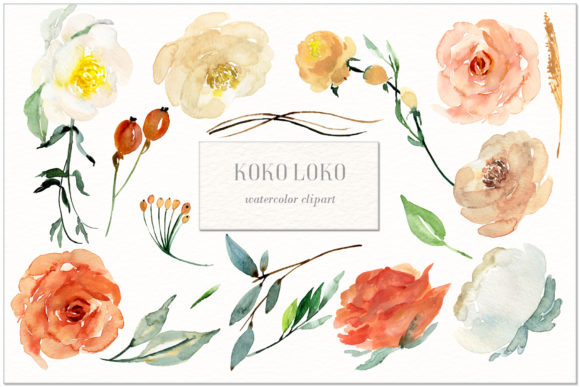
The first thing I noticed about Koko Loko Watercolor Clipart is its soft, organic feel. It brings an air of whimsy and warmth without being overly cutesy or childish. These illustrations are hand-painted, which gives them a unique texture and subtle imperfection that feels authentic—perfect for brands leaning into a natural, artisanal, or eco-friendly aesthetic.
The color palette is muted yet vibrant, with gentle washes of blue, green, and warm earth tones. This creates a calming and inviting mood, ideal for wellness, lifestyle, and children’s-related content. As a brand identity tool, this kind of visual language can help establish trust and approachability, especially when used alongside clean typography and thoughtful layout.
Real-World Applications in Branding and Marketing
In the context of my recent project, I used these watercolor clipart illustrations in several ways:
- Product Labels and Packaging Design: The illustrations added a decorative touch to label mockups and helped differentiate the product from mass-produced competitors. They worked particularly well as background elements behind minimal text, allowing the brand name and key messaging to remain prominent.
- Social Media Graphics and Instagram Posts: The illustrations felt right at home in hero images and story templates. Their fluid style complemented photos of the actual products, enhancing the overall narrative of craftsmanship and care.
- Cricut Projects and Sticker Design: I tested the SVG files in Cricut Design Space and found them to be scalable and editable, which is a big plus for customizing shapes or colors to better match the brand’s existing palette.
- Printable Merchandise and Wall Art: The PNG designs retained their quality at high resolution, making them suitable for print-on-demand platforms and Etsy shops selling printable art or stickers.
These assets also performed well in editorial layouts for blog posts and newsletters. When placed beside short paragraphs or bullet points, they enhanced the reading experience by adding visual interest without overwhelming the reader.
Where It Shines: Large Layout Areas and Themed Campaigns
Koko Loko Watercolor Clipart truly shines in large-scale visuals. Whether it's a hero banner on a website, a full-page flyer, or a poster for a boutique event, the illustrations provide a sense of movement and life that flat vector graphics often lack. They’re especially effective in themed collections—like holiday promotions, summer campaigns, or nature-inspired branding—where the goal is to evoke a feeling rather than convey hard data.
I also found the clipart to be a great fit for packaging details and sublimation design projects. Its delicate brushstrokes and soft edges blend beautifully with minimalist layouts and add just enough character to make the final product stand out in a crowded market.
Use With Caution: Small Sizes and Corporate Materials
While the watercolor illustrations are visually appealing, they aren’t all-purpose. In one instance, I tried using a smaller element in a logo design. It didn’t hold up well when scaled down—the intricate brushstrokes became muddy, and the file lost clarity. That’s a red flag for me; if you plan to use these illustrations in anything requiring precision at small sizes—like logos, icons, or buttons—you’ll want to pair them carefully with bolder, more legible typefaces and simplify their application.
Similarly, I avoided using them in corporate materials for a tech startup. The watercolor style clashed with the sleek, modern design direction we were aiming for. That said, if your client operates in a space like education, wellness, or children’s products, this style could be exactly what they need to humanize their brand.
Design Performance Across Platforms
One of the strengths of Koko Loko Watercolor Clipart is its adaptability across digital and print formats. Here’s how it held up in various scenarios:
- Website Graphics: Used as decorative accents in landing page headers and sidebar widgets, the illustrations helped create a friendly and welcoming vibe.
- Pinterest and Canva Templates: The designs looked excellent in vertical formats, especially for Pinterest pins. They paired well with bold sans serif fonts and clear call-to-action text, maintaining both style and functionality.
- T-Shirt and Merchandise Designs: On a mockup for a cozy kids’ t-shirt, the clipart blended seamlessly with the fabric texture. However, for darker-colored garments, I had to adjust the contrast slightly to ensure visibility.
- Invitations and Editorial Design: The illustrations brought a personal touch to event invites and magazine-style layouts, helping to reinforce the handmade and curated aspects of the brand.
Technical Considerations for Professional Use
Before recommending any design asset for a client project, I always test it in multiple contexts. Here’s what I checked with Koko Loko Watercolor Clipart:
- File Formats: The bundle included both SVG and PNG files, which is crucial for digital editing and print output. SVG versions allowed for easy customization, while PNGs provided clean transparency for overlaying on different backgrounds.
- Color Consistency: I tested the clipart in black and white to see how it might perform in grayscale printing. While the outlines remained visible, some of the detail was lost. This is something to consider if the project involves accessibility or monochrome printing.
- Contrast Checks: Placing the illustrations over light and dark backgrounds revealed that they work best with lighter hues. On darker surfaces, the colors tended to blend, reducing impact and readability.
- Commercial Licensing: Always a top priority—I confirmed the commercial license was clearly stated and appropriate for the intended use (branding, packaging, and digital marketing). This makes it a safe choice for small business owners and digital sellers looking to scale their offerings.
Pairing With Typography for Better Hierarchy
Another important factor in using watercolor clipart effectively is how it pairs with typography. I experimented with several font styles to find the best combinations:
- Serif Fonts: Worked well in editorial settings, giving a classic, elegant feel.
- Sans Serif Fonts: Balanced the softness of the illustrations, making them feel more modern and professional.
- Script & Handwritten Fonts: Created a cohesive, artisanal look—ideal for packaging labels or greeting cards.
- Display Fonts: Needed to be spaced carefully to avoid competing with the clipart’s visual weight.
Overall, the clipart complements most readable fonts but requires careful placement to maintain strong visual hierarchy. Don’t let the illustration overpower the message.
Why It Works for Creative Marketplaces and Print-On-Demand Sellers
For those selling digital products on platforms like Etsy or Creative Market, Koko Loko Watercolor Clipart is a valuable addition to a design toolkit. It offers a fresh take on traditional clipart, with enough uniqueness to stand out among generic stock assets. The variety of scenes and characters means there’s something for almost every theme—seasonal, educational, nature-based, or playful.
When designing for print-on-demand, the clipart’s transparent PNG layers allow for seamless integration into mockups. I found it especially useful for creating product mockups like mugs, tote bags, and notebooks where a handcrafted appearance adds value. Just be sure to preview each design at actual print size to catch any potential issues with resolution or clarity.
Emotional Appeal and Audience Engagement
What sets Koko Loko apart from other illustration sets is its ability to evoke emotion. The subtle layering and hand-drawn textures give the visuals a tactile quality that resonates with audiences. For a handmade business, this can translate directly into perceived authenticity and connection with customers.
However, not every brand benefits from this level of softness. If your client needs to project authority or professionalism, you may want to limit the use of these illustrations to supporting roles or specific campaign visuals rather than core brand elements.
Designers' Notes: Key Takeaways for Real Client Work
Here are a few practical tips for using Koko Loko Watercolor Clipart in professional design settings:
- Always test the illustrations at different sizes to ensure scalability.
- Review how they interact with your chosen color scheme and brand guidelines.
- Use them in hero graphics, product mockups, and social media posts where they can breathe and shine.
- Be cautious in complex layouts or low-contrast environments where the watercolor style may become too busy or lose impact.
- Check the licensing terms thoroughly before applying the illustrations to commercial projects or reselling them as part of a design bundle.
Final Thoughts on Koko Loko Watercolor Clipart
From a professional standpoint, Koko Loko Watercolor Clipart is a solid choice for clients who want to inject personality and warmth into their branding. It works best in environments where the goal is to create an emotional connection rather than deliver technical information. Whether you're designing a seasonal campaign, a product label, or a set of social media graphics, this illustration set has the potential to enhance your visual storytelling.
That said, it’s not a one-size-fits-all solution. Before integrating it into a larger design system, assess whether it aligns with the brand voice and visual goals. Does it support the message? Will it scale appropriately across all mediums? And most importantly, does it bring something unique to the table that can't be achieved with simpler design assets?
If you answer yes to those questions, then Koko Loko Watercolor Clipart could be a powerful creative asset in your next project.